
The transport sector is facing one of its fiercest talent shortages in decades, and yet many HR teams still treat employer branding as a marketing afterthought. That is a costly mistake. Employer branding is not a glossy campaign or a set of buzzwords on a careers page. It is the lived experience of your workforce, the reputation you carry in the labour market, and the reason a skilled traffic engineer or logistics coordinator chooses you over a competitor. This guide cuts through the confusion, defines what employer branding truly means for transport, and gives you practical strategies to attract and retain the talent your organisation needs.
Table of Contents
- Defining employer branding in the transport sector
- Core components of a strong transport employer brand
- Employer branding strategies for large versus small transport firms
- Implementing and measuring employer branding success
- Why authentic employer branding matters more than ever in transport
- Discover leading transport jobs and employer branding support
- Frequently asked questions
Key Takeaways
| Point | Details |
|---|---|
| Employer brand clarity | Understanding and communicating your unique strengths is crucial for attracting talent in transport. |
| Sector-specific focus | Aviation, rail, and trucking each require tailored branding approaches to address distinct candidate priorities. |
| Authenticity over aspiration | Realistic, aligned messaging is more effective than lofty promises or copied branding. |
| Measurement matters | Continual evaluation of employer branding initiatives is essential for long-term hiring success. |
Defining employer branding in the transport sector
Employer branding is the perception that current and potential employees hold about your organisation as a place to work. In transport, this perception is shaped by everything from how you treat drivers on a night shift to how your leadership communicates during a network disruption. It is not separate from your operations. It is woven into them.
For HR professionals working across transport job opportunities, the challenge is that the sector spans enormously different working environments. A rail signalling engineer and a long-haul truck driver have very different priorities, yet both are forming opinions about your brand every single day. Your employer brand must speak to that diversity without becoming vague.
Three core elements shape how candidates perceive your organisation:
- Reputation: What do people say about you when you are not in the room? Online reviews, word of mouth, and industry forums all feed this.
- Employee experience: The reality of working for you, from onboarding to career progression to daily management quality.
- Communication: How clearly and honestly you convey your culture, values, and opportunities to both internal staff and external candidates.
Sector-specific nuances matter enormously here. Aviation and rail companies often compete on purpose and sustainability credentials. Trucking and logistics firms, by contrast, tend to win candidates through pay transparency, flexibility, and mental health support. Understanding which levers matter most in your subsector is the starting point for any credible branding effort.

| Subsector | Primary branding focus | Secondary branding focus |
|---|---|---|
| Aviation | Sustainability, inclusion | Career progression |
| Rail | Purpose, safety culture | Work-life balance |
| Trucking | Pay transparency, mental health | Flexibility |
| Logistics | Technology, growth opportunities | Team culture |
You can learn more about employer branding and how it applies specifically to the transport sector as part of your wider recruitment strategy.
“Employer branding must go beyond superficial perceptions, with internal alignment essential.” This means your external messaging must reflect what employees genuinely experience, not what leadership hopes they experience.
The relocation logistics framework used by major operators offers a useful analogy: just as a smooth relocation requires coordination across multiple touchpoints, a credible employer brand requires alignment across every stage of the employee journey.
Core components of a strong transport employer brand
Now that we understand what employer branding is, it is vital to examine the core elements that make it effective for transport companies. The most powerful employer brands in this sector share five clearly defined pillars.
- Employee Value Proposition (EVP): This is the promise you make to employees in exchange for their skills and commitment. It covers pay, benefits, culture, development, and purpose. A strong EVP is specific, honest, and differentiated.
- Company mission and purpose: Candidates, particularly younger ones, want to know why your organisation exists beyond profit. In transport, this might centre on keeping communities connected, reducing carbon emissions, or advancing infrastructure.
- Workplace culture: Culture is what happens when no one is watching. It includes how managers behave, how mistakes are handled, and whether inclusion is practised rather than just stated.
- Communication: Consistent, transparent communication across job adverts, social media, internal channels, and leadership messaging reinforces trust.
- Authenticity: This is the thread that ties everything together. Aviation and rail sectors emphasise sustainability, inclusion, and purpose in their employer branding, but only the organisations that live these values internally see lasting results.
| Branding element | Aviation | Rail | Trucking | Logistics |
|---|---|---|---|---|
| EVP clarity | High | High | Medium | Medium |
| Sustainability messaging | Very high | High | Low | Medium |
| Pay transparency | Medium | Medium | Very high | High |
| Mental health focus | Growing | Growing | Critical | High |
| Inclusion initiatives | High | High | Developing | Medium |
Exploring employer profiles for transport organisations gives candidates a direct window into these pillars in action, which is why investing in a well-crafted profile pays dividends in application quality.

Pro Tip: Avoid writing an EVP that describes the company you aspire to be rather than the one you currently are. Candidates who join based on aspirational promises and find a different reality will leave quickly, and they will tell others.
Employer branding strategies for large versus small transport firms
Understanding the components is one thing, but applying them varies depending on company size. The resource gap between a national rail operator and a regional haulage firm is significant, but it does not have to be a disadvantage.
Large transport firms have the budget for dedicated employer brand teams, polished video content, and graduate recruitment programmes. They can sponsor industry events and invest in long-term brand awareness campaigns. But size also brings bureaucracy, slower decision-making, and a risk of messaging that feels corporate and impersonal.
Smaller firms have a genuine edge: agility and authenticity. A family-run logistics company can tell a compelling human story that a multinational simply cannot replicate. Small firms can compete on strategy, not just spend, with employer branding, and the most effective tactics are often free or low-cost.
Key low-cost strategies for smaller transport businesses:
- Digital storytelling: Share behind-the-scenes content on LinkedIn and Instagram. A short video of a driver talking about their day costs nothing and builds enormous trust.
- Local reputation building: Sponsor a community event, partner with a local college, or engage with regional transport forums.
- Internal referral schemes: Your existing staff are your best recruiters. A structured referral programme with a modest incentive can generate high-quality candidates.
- Leadership visibility: When the owner or managing director is visible and communicative on social media, it humanises the brand significantly.
- Glassdoor and Google Reviews: Actively encourage satisfied employees to share their experiences online. These platforms heavily influence candidate decisions.
Research consistently shows that over 75% of job seekers consider an employer’s reputation before applying, which means your digital footprint matters as much as your job advert.
Pro Tip: Turn your longest-serving employees into brand ambassadors. Give them a platform, whether that is a staff spotlight on your website or a guest post on LinkedIn, and let their genuine voices do the work that no marketing budget can replicate.
For firms ready to raise their profile, showcasing employer profiles on a specialist transport platform puts your brand directly in front of the candidates most likely to be a strong fit.
Implementing and measuring employer branding success
With a strategy in place, it is critical to ensure your efforts are not only launched but also tracked and continuously improved. Employer branding without measurement is just storytelling with no feedback loop.
Here is a sequential process for implementing employer branding effectively:
- Assess your current brand: Conduct internal surveys, review exit interview data, and audit your online presence. What do people actually say about working for you?
- Define your EVP: Based on your assessment, articulate what genuinely makes your organisation a great place to work. Be honest about gaps.
- Communicate internally first: Before launching externally, share your EVP with current employees. Their belief in the message is what makes it credible.
- Align all touchpoints: Update job adverts, social profiles, your careers page, and interview processes to reflect the brand consistently.
- Review and iterate: Set a quarterly review cycle to assess what is working and adjust messaging as your culture or sector context evolves.
Internal alignment is essential for avoiding a superficial employer brand, and this starts with getting buy-in from managers and team leaders, not just the HR department.
Useful tools and metrics for tracking employer branding success:
- Candidate experience surveys: Ask applicants what influenced their decision to apply and how they found the process.
- Retention rates: A rising retention rate is one of the clearest signals that your employer brand is delivering on its promises.
- Time-to-hire: Strong employer brands typically reduce time-to-hire because candidates come in already engaged.
- Online review scores: Monitor Glassdoor, Indeed, and Google regularly for sentiment shifts.
- Offer acceptance rates: If candidates are declining offers, your brand may be creating expectations your process is not meeting.
Review the employer branding promises that resonate most with transport candidates to ensure your own commitments are both credible and compelling.
Pro Tip: Revisit your employer brand messaging every time there is a significant internal change, such as a restructure, a new leadership team, or a shift in company direction. Outdated messaging is almost as damaging as no messaging at all.
Why authentic employer branding matters more than ever in transport
Most employer branding guides focus on tactics. What they rarely address is the uncomfortable truth sitting underneath all of it: the transport sector has a long history of copying what competitors do rather than building something genuinely its own.
We see it repeatedly. A logistics firm notices a rival promoting mental health support, so they add a wellbeing page to their website. A haulage company sees a competitor talking about sustainability, so they write a blog post. None of it is backed by real cultural change, and candidates can tell.
Prioritise authenticity over aspirational EVPs for lasting success in transport employer branding. The organisations that attract and retain the best people are not the ones with the most polished careers pages. They are the ones where what you see externally matches what you feel internally on day one.
Employer branding is not a campaign you launch and forget. It is a reflection of your work culture, built over time through consistent behaviour, honest communication, and genuine investment in your people. The transport sector needs that more than ever right now, and the firms that understand it will have a significant advantage in the years ahead. Explore our sector experience to understand how this plays out across the full breadth of transport recruitment.
Discover leading transport jobs and employer branding support
Putting these employer branding strategies into practice requires the right platform and the right audience. Jobs-in-Transport.com has been connecting transport professionals with forward-thinking employers since 2005, and we understand what candidates in this sector are genuinely looking for.
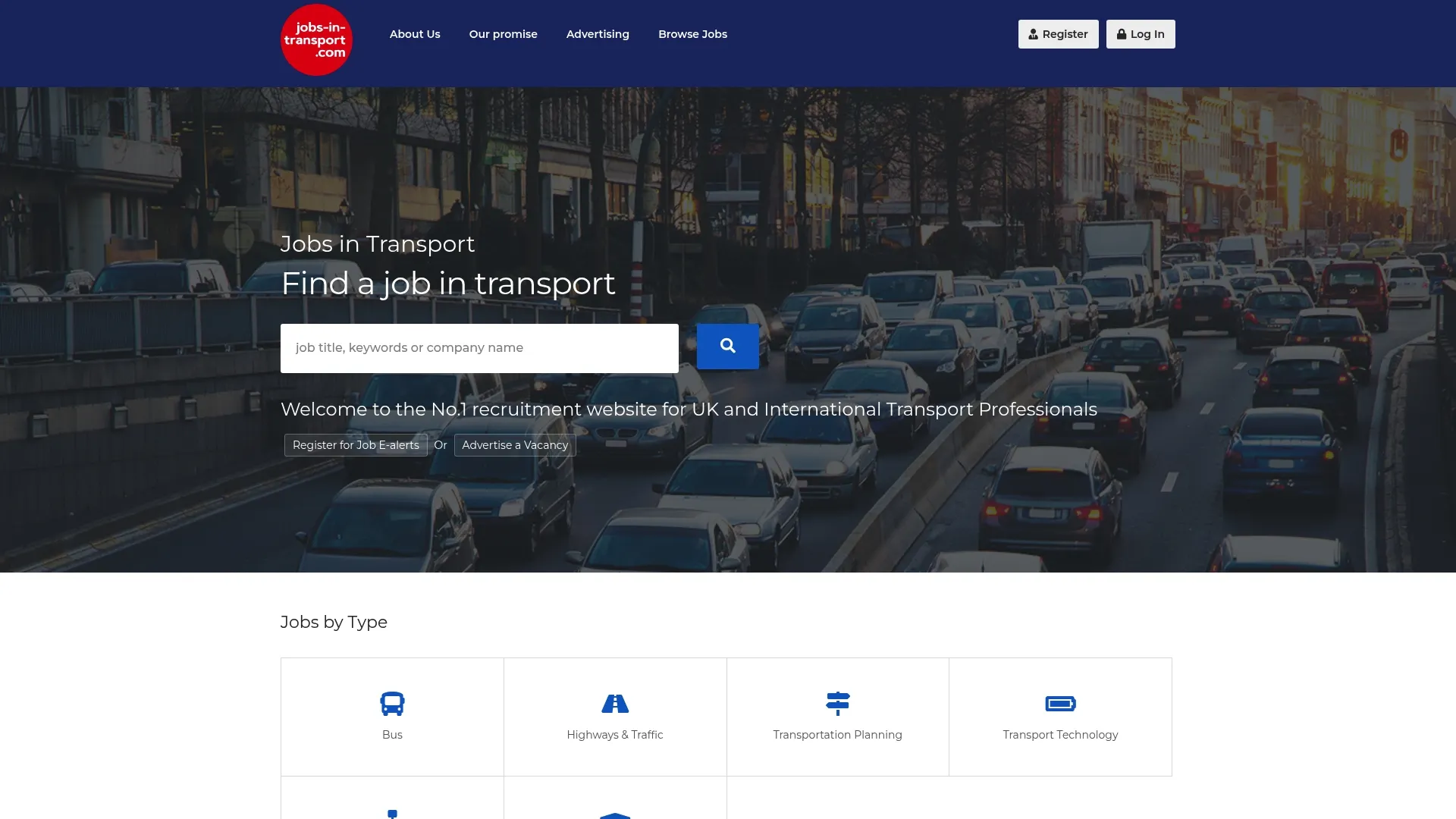
Whether you are looking to strengthen your employer profile, attract specialist talent in highways, rail, or logistics, or simply understand what top candidates expect from a transport employer today, our platform gives you the tools and visibility to make it happen. Browse more about our expertise and start building an employer brand that genuinely reflects your organisation’s strengths.
Frequently asked questions
Why is employer branding important for transport companies?
Employer branding is key for attraction and retention, helping transport firms stand out in a competitive labour market where skilled candidates have real choices about where they work.
How can small transport businesses compete with larger firms on employer branding?
Small firms can compete well on strategy rather than budget by leveraging genuine culture, consistent digital storytelling, and empowering employees to advocate authentically for the organisation.
What risks do transport companies face with inauthentic employer branding?
Superficial employer branding creates a trust gap between what candidates expect and what they experience, which damages your reputation, lowers morale, and accelerates staff turnover. Internal alignment is essential to prevent this.
Which employer branding elements matter most to candidates in transport?
Work culture, leadership transparency, and career development consistently rank highest, while aviation and rail candidates value sustainability and purpose, and trucking candidates prioritise pay transparency and mental health support.


