
Post a sector-focused advert with a clear salary band and Chartership support, then filter with a short technical task and portfolio review at first interview. That combination consistently outperforms generic HR postings for filling active travel planning roles, because it speaks directly to what qualified planners look for and screens out weak applicants early.
TL;DR:
- Sector-specific job boards and professional networks are most effective for recruiting mid to senior active travel planners with the right sector experience.
- Job adverts should explicitly mention project types, technical skills, soft skills, salary, and Chartership support to attract motivated and qualified candidates.
- Practical exercises and structured behavioral interviews, focusing on scheme delivery and stakeholder engagement, provide a more accurate assessment than CVs alone.
- Offering clear Chartership pathways, mentoring, and realistic salary bands improve retention and signal serious employer commitment.
- Using transport sector recruitment specialists increases visibility among qualified prospects and shortens the hiring timeline.
Table of Contents
- Where to find active travel planners in the UK
- How to write an advert that attracts qualified active travel planners
- Interview and assessment: how to test technical and engagement skills
- Onboarding and retention: what keeps active travel planners in post
- Why professional development signals matter to serious candidates
- The gap between generic HR advice and what actually fills these roles
- How Jobs-in-transport helps you recruit active travel planners
- Primary sources and recommended reading
- Sources
- FAQ
Where to find active travel planners in the UK
General job boards pull volume; sector-focused channels pull relevance. If you need a principal-level appointment with three years of scheme delivery behind them, a specialist transport job board will surface candidates that a general aggregator buries under unrelated logistics and driving roles.
That said, general boards and council career pages still have a place, particularly for graduate and junior posts where candidate numbers matter more than pre-filtering. The right approach is usually a mix, weighted by seniority.
- Specialist transport job boards: best for mid to senior appointments where you want candidates already working in the sector.
- CIHT and local Sustrans networks: strong for candidates already engaged with professional development and active travel delivery.
- University transport planning courses and LinkedIn groups: effective for graduate pipelines and early-career talent.
- Consultancies and local authority secondee arrangements: useful when you need someone with live funding-bid or LTN 1/20 experience and can offer a short-term or interim contract.
- Graduate and apprenticeship schemes: Active Travel England’s graduate planning roles are a genuinely useful public-sector template if you’re designing an entry-level programme rather than writing one from scratch.
Job aggregate listings and council job pages show steady demand across every seniority band, from graduate placements to principal roles, so don’t assume one channel will do all the work. Match the channel to the level you’re hiring for and you’ll cut weeks off the search.
How to write an advert that attracts qualified active travel planners
Most active travel adverts read like generic transport planning postings with the words “active travel” bolted on. That’s a wasted opportunity, because the candidates you actually want are motivated by mission as much as money. Research from the House of Commons Library links active travel programmes directly to Net Zero and public health targets, and adverts that name that connection tend to attract more engaged applicants.
Structure the advert around these elements:
- A tight role summary naming actual project types (LTN schemes, school streets, cycle infrastructure bids) and whether the post carries delivery or advisory responsibility.
- Essential technical skills: familiarity with LTN 1/20 design guidance, transport modelling, and CAD or GIS tools. Active Travel England’s spatial planning resources are a good reference point for what “competent” actually looks like at each level.
- Soft skills that matter as much as technical ones: community engagement, contractor and consultant management, and the ability to hold a scheme together through public consultation.
- Salary band, contract type, hybrid working arrangements, and application deadline, stated plainly rather than left to “competitive salary” vagueness.
- Retention incentives: Chartership support, a CPD allowance, mentoring, and a visible career path to principal or associate level.
Most transport planner roles expect a degree in transportation, geography, or civil engineering plus practical delivery experience, according to Prospects, so state that requirement clearly rather than burying it in a generic person specification.
Pro Tip: Name the Chartership pledge in the advert headline or first line, not the small print. Candidates actively comparing offers scan for it first, and it costs you nothing to state upfront.
Interview and assessment: how to test technical and engagement skills
CV keywords tell you almost nothing about whether someone can actually deliver a scheme. A structured assessment does. The most reliable format combines a short practical exercise with a focused, behavioural interview.
- A one to two hour practical task: a route audit, a concept sketch for a junction, or a short scheme appraisal against LTN 1/20 principles. This is a far better predictor of delivery capability than a CV alone, especially when paired with a portfolio review of past project work.
- Behavioural questions on stakeholder engagement: ask how they’ve handled organised opposition to a scheme, and how they’ve kept a project moving against a tight funding deadline.
- A simple scoring rubric, agreed before interviews start, with a technical panel member scoring the practical task separately from the behavioural interview.
- References focused on delivery: confirm actual experience with local authority procurement processes or funding bid work, not just job title tenure.
Skip the temptation to rely purely on a portfolio walkthrough. Candidates can talk convincingly about schemes they had a minor role in. The practical task exposes the gap between “involved in” and “delivered.”
Onboarding and retention: what keeps active travel planners in post
The hire is only half the job; using how the EOR works can streamline your compliance and onboarding process for faster, more reliable active travel planner appointments. Active travel planning has a small talent pool, and losing someone eighteen months in because you didn’t offer a career path is expensive and entirely avoidable.
- Assign a mentor and set 90-day delivery milestones tied to a real project, not a generic induction plan.
- Give early exposure to funding and partner meetings so junior and mid-level hires start building the portfolio evidence they’ll need for their own future job search and Chartership application.
- Keep salary bands realistic against market rates. Senior and principal roles commonly sit in the mid-£50,000s, with one reported range at £56,436 to £59,574, so a below-band offer will lose you candidates at final stage even after a strong process.
Pro Tip: Mentoring and structured Chartership support cost far less than re-recruiting. If retention is a persistent problem, check whether your CPD budget is real money or just a line in the induction pack.
Why professional development signals matter to serious candidates
Active travel planners who are actively pursuing Chartership or CIHT membership tend to be the candidates worth chasing hardest, because they’re already invested in staying in the sector long-term. Employers who can speak fluently about listings, CV access, and employer branding tend to move faster through the shortlisting stage, because they’re not improvising the process.
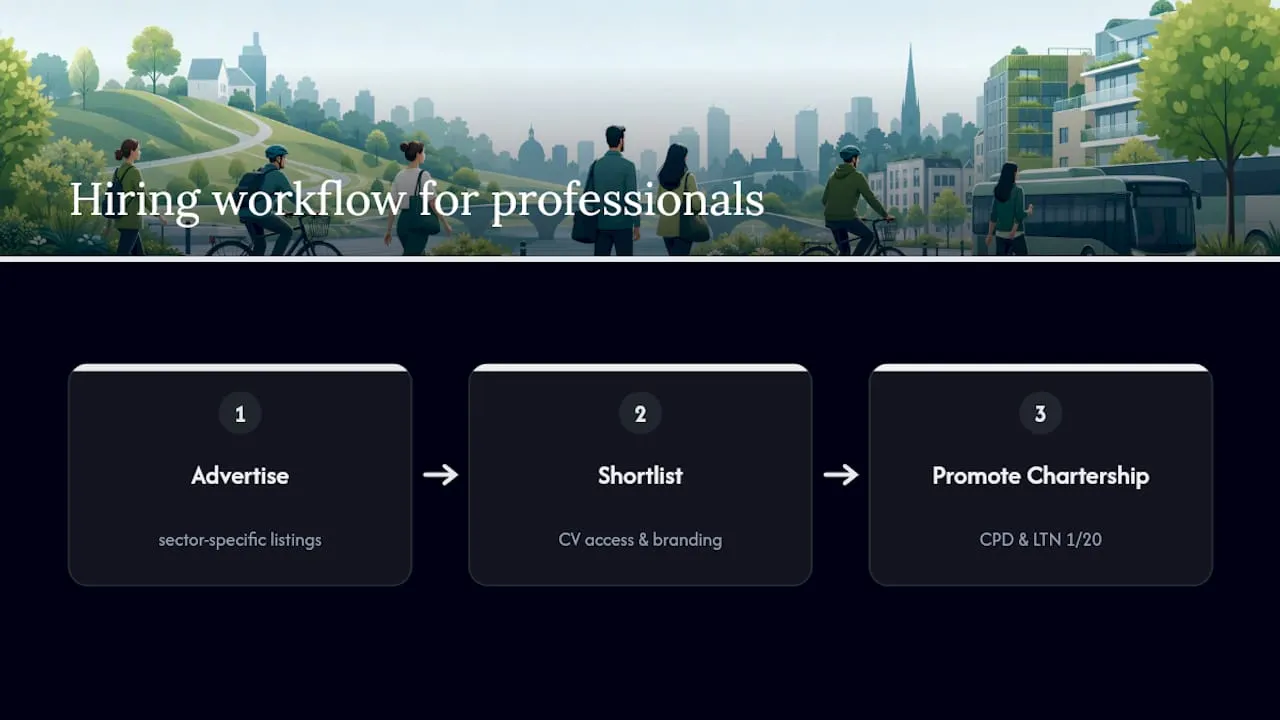
Jobs-in-transport works specifically within this market, which shapes how it structures employer profiles and listings around sector-specific searches rather than generic job categories. Mapping your hiring workflow to advertise, shortlist, and Chartership promotion in that order keeps the process consistent and gives candidates a clear signal that you understand what actually matters to them, from LTN 1/20 competence to CPD support.
The gap between generic HR advice and what actually fills these roles
Most recruitment guidance treats active travel planning like any other transport planning vacancy, and that’s precisely where it goes wrong. This is a small, close-knit professional community where reputation travels fast and Chartership status carries real weight. Generic HR advice about “employer branding” misses the two things that actually move candidates: naming real project types in the advert, and committing to structured professional development rather than gesturing at it.
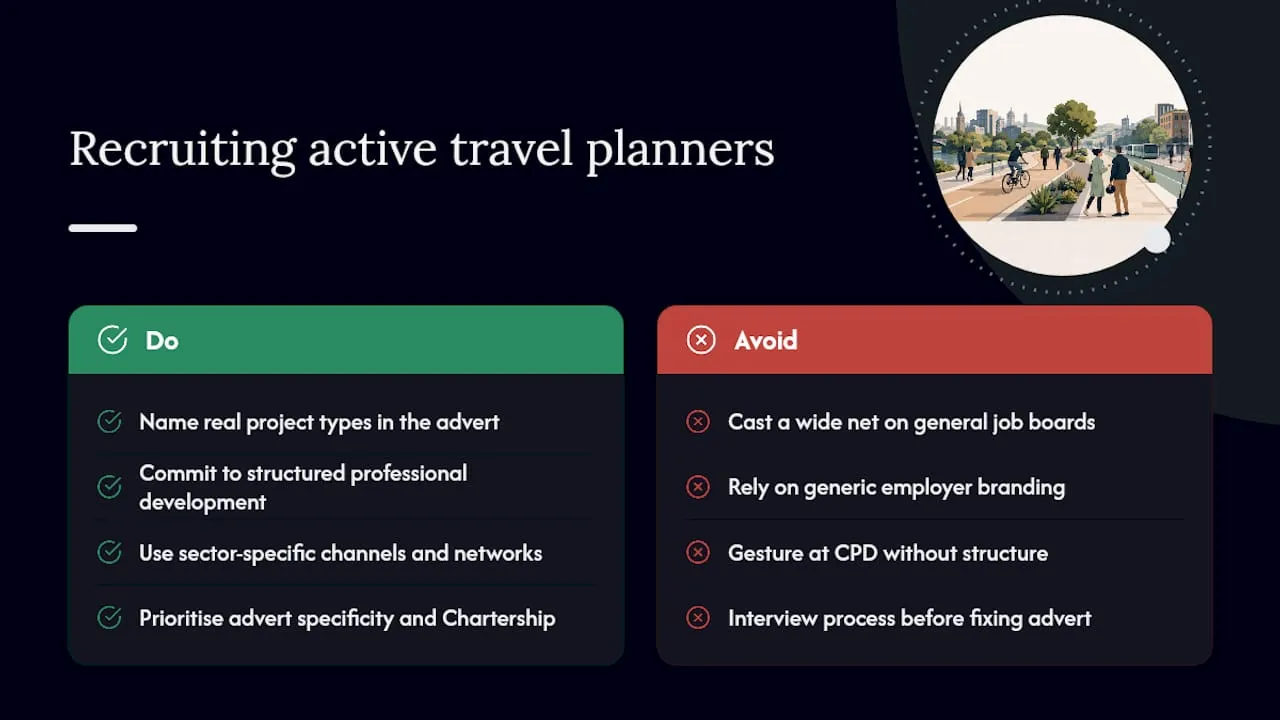
The conventional wisdom of casting a wide net across general job boards wastes budget on volume you can’t use. A principal-level candidate scrolling a general aggregator alongside logistics and warehouse roles is unlikely to apply, regardless of how well-written your advert is. Sector-specific channels and professional networks do the filtering for you before a CV even lands.
If there’s one priority for hiring managers reading this, it’s sequencing: fix the advert’s specificity and the Chartership offer before you touch the interview process. A brilliant assessment rubric applied to a weak candidate pool still gives you a weak shortlist.
— Rob
How Jobs-in-transport helps you recruit active travel planners
Jobs-in-transport specialises exclusively in transport sector recruitment, which means your advert sits among candidates already searching for active travel and transportation planning roles rather than lost in a general jobs feed.
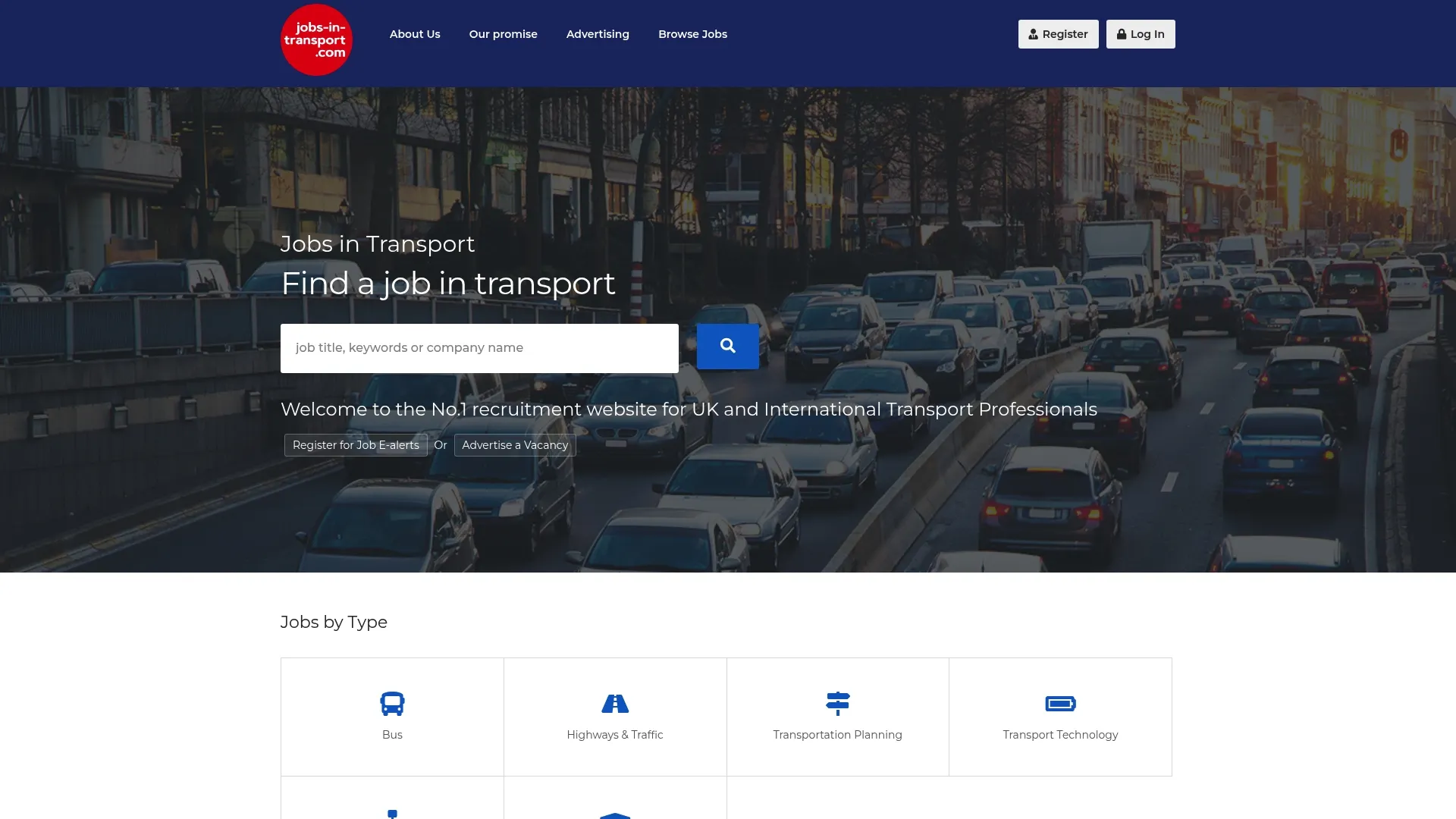
For senior or principal appointments, the Premium+ Job Listing pairs strong visibility with an employer profile, useful when you’re competing for a small pool of Chartered or near-Chartered candidates. For graduate intakes or bulk hiring across multiple sites, the Standard Job Listing gives solid reach without the added cost of premium placement. Whichever route you choose, brief the advert clearly with a headline naming the salary band, a reference to Chartership support, and the actual project types the role delivers against, rather than a generic transport planning description.
When you’re ready to post, the advertising rates page sets out all listing options, or you can reach the team directly if you want advice on which listing fits your seniority level and timeline before you commit.
Primary sources and recommended reading
- Prospects — Transport planner job profile: salary benchmarking and entry requirements.
- Active Travel England — Graduate planning roles: job posting templates.
- DfT careers — Active Travel England: public-sector role framing examples.
Sources
- Prospects — Transport planner job profile
- Active Travel England — Graduate planning roles
- House of Commons Library — Active travel in England
- DfT careers — Active Travel England
FAQ
What Salary Should I Offer an Active Travel Planner?
Senior and principal roles commonly report salaries in the mid-£50,000s, with one reported range of £56,436 to £59,574 per annum. Junior and graduate posts sit considerably lower, so benchmark against seniority rather than a single figure.
How Long Does Recruiting an Active Travel Planner Usually Take?
There’s no fixed national figure, but a realistic timeline runs from advert posting through shortlisting, a practical task, and a final interview, typically several weeks depending on notice periods and panel availability. Building in time for a technical task stage, rather than skipping it under time pressure, tends to produce better final hires.
Where Is the Best Place to Advertise an Active Travel Planning Role?
A sector-focused job board reaches candidates already working in transport planning, while professional networks like CIHT and university transport groups suit graduate and early-career pipelines. Jobs-in-transport’s employer advertising options are built specifically around this audience.
Should I Offer Chartership Support in the Job Advert?
Yes. CIHT’s membership grades give employers a concrete pathway to reference, and naming that support upfront is one of the strongest, lowest-cost signals you can send to serious candidates.
What Should the Interview Process Include Beyond a Standard Interview?
A short practical task, such as a route audit or scheme appraisal, combined with a portfolio review and structured behavioural questions on stakeholder engagement, gives a far more reliable read on delivery capability than a CV-based interview alone.


