
The transport sector is booming, and the opportunities it offers go far beyond what most people expect. Many professionals still think of transport careers as repetitive, low-skilled, or limited in scope. That picture is outdated. From logistics technology and transport planning to project management and traffic analysis, this industry rewards ambition, adaptability, and expertise. With 3% sector growth projected through 2034, driven largely by e-commerce and parcel delivery demand, there has never been a better time to explore what a transport career can genuinely offer you.
Table of Contents
- Industry growth and job security
- Competitive salaries and career progression
- Wide variety of roles and pathways
- Work-life balance and personal benefits
- Skills development and future-proofing your career
- A fresh look: why a purposeful career in transport matters more than ever
- Ready to start your journey in transport?
- Frequently asked questions
Key Takeaways
| Point | Details |
|---|---|
| Growing sector | The transport industry is expanding and offers steady job security. |
| Attractive salaries | Transport careers offer competitive pay, especially with certifications and advanced skills. |
| Diverse opportunities | There are many career paths in transport, from hands-on roles to strategic positions. |
| Work-life benefits | Flexible roles, independence, and travel are major draws for many in transport. |
| Future-proof skills | Continuous learning and new technologies keep transport careers relevant for the future. |
Industry growth and job security
Job security is one of the most compelling reasons professionals are drawn to transport. Unlike sectors that shrink during economic downturns, transport underpins every part of the economy. Goods still need to move. Supply chains still need managing. That fundamental reality makes transport remarkably resilient.
The numbers back this up. Transport and warehousing projects 3% growth through 2034, with approximately 1.8 million annual job openings in material moving alone. E-commerce has been a significant driver, pushing demand for last-mile delivery specialists, logistics coordinators, and warehouse technology managers to new heights.
| Growth driver | Impact on transport jobs |
|---|---|
| E-commerce expansion | Surge in delivery and logistics roles |
| Infrastructure investment | Growth in highways and planning roles |
| Technology adoption | New roles in transport tech and data |
| Ageing workforce | Consistent replacement demand |
Beyond raw numbers, the sector’s diversity offers protection. A professional with skills in transport planning or traffic management is not dependent on a single employer or niche. Their expertise transfers across public sector bodies, private logistics firms, and infrastructure consultancies.
Key reasons transport delivers strong job security:
- Consistent demand regardless of economic cycles
- Public and private sector roles available simultaneously
- Growing specialisms in technology and sustainability
- Government infrastructure spending supporting long-term pipelines
Staying informed about emerging opportunities matters too. Keeping up with transport industry news helps professionals spot where demand is rising before the competition does. In a sector growing this fast, being early to a new specialism can define your entire career trajectory.
Competitive salaries and career progression
Transport careers are not just stable. They pay well, and they reward those who invest in their professional development. The earning potential across the sector is broader than many outsiders realise.

Median salaries range from £80,000 to over £100,000 in senior and specialist roles, with entry-level positions offering solid starting points for those building experience. The real acceleration comes from qualifications and technology skills.
| Role | Approximate salary range |
|---|---|
| Transport planner | £35,000 to £60,000 |
| Logistics manager | £45,000 to £75,000 |
| Traffic engineer | £40,000 to £65,000 |
| Supply chain director | £80,000 to £120,000+ |
Professional certifications and technology skills increase salary premiums by 20 to 30%. Qualifications such as the Chartered Institute of Logistics and Transport (CILT) membership or a project management certification signal to employers that you are serious about your craft.
“The professionals commanding the highest salaries in transport are those who combine operational experience with data literacy and formal qualifications. That combination is rare, and employers pay a premium for it.”
Career progression in transport is also genuinely structured. A driver can move into fleet management. A logistics coordinator can progress to supply chain director. A graduate transport planner can become a senior consultant within a decade. The pathways are real, not theoretical.
Pro Tip: Target qualifications in transport management systems (TMS) or data analytics early in your career. These skills are in short supply and can accelerate your salary growth significantly. Explore how career development promises translate into real opportunities for motivated professionals.
Wide variety of roles and pathways
One of transport’s most underappreciated strengths is the sheer breadth of careers it contains. Most people picture lorry drivers or bus operators. The reality is far more varied, and that variety makes the sector accessible to professionals with very different skill sets.
Roles span technical, analytical, operational, and strategic functions. Here is a snapshot of what is actually available:
- Driving and operations: HGV driver, bus operator, fleet supervisor
- Planning and analysis: transport planner, traffic modeller, demand analyst
- Technology and data: transport systems engineer, TMS specialist, data analyst
- Management and strategy: logistics manager, supply chain director, project manager
- Infrastructure and engineering: highways engineer, traffic signal designer, civil transport consultant
The less obvious roles, such as transport technology and logistics job trends in data-driven planning, are among the fastest growing. These positions often attract professionals from adjacent fields like software development, urban planning, or engineering who want to apply their skills in a sector with real-world impact.
Moving between pathways is also achievable with the right approach:
- Identify transferable skills from your current role
- Research which qualifications open doors in your target area
- Seek out cross-functional projects within your current employer
- Build a network in your target specialism through industry events
- Use specialist platforms to find roles that match your transition goals
The transport sector rewards lateral thinking. Someone who has spent years in operations and then develops analytical skills becomes a genuinely valuable hybrid professional. About transport careers and the pathways available, there is far more room to grow than the sector’s reputation suggests.
Work-life balance and personal benefits
Transport careers offer personal benefits that are difficult to find in office-bound roles. Independence, variety, and the satisfaction of tangible outcomes are qualities that many professionals in the sector cite as reasons they stay.
Drivers value independence and travel, but the sector also acknowledges genuine trade-offs including high turnover in some roles and health risks associated with sedentary working patterns. Being honest about both sides helps you make informed decisions.
Personal benefits that transport professionals commonly highlight:
- Autonomy: Many roles involve independent decision-making and self-management
- Variety: No two days are identical, particularly in planning or operations roles
- Travel: Exposure to different regions, infrastructure projects, and environments
- Tangible impact: You see the direct results of your work in the real world
- Team culture: Strong camaraderie in operational and field-based teams
“Transport is one of the few industries where you can genuinely point to something and say: I helped make that happen. That sense of purpose keeps professionals in the sector for decades.”
The challenges are real too. Long hours, shift patterns, and the physical demands of certain roles require honest consideration. Stress levels in logistics management can be high during peak periods.
Pro Tip: When evaluating new employers, ask specifically about scheduling flexibility, shift patterns, and wellbeing support. Employers who invest in these areas tend to have lower turnover and better team cultures. Check out graduate transport news for insights into how newer entrants are navigating work-life balance in the sector.
Skills development and future-proofing your career
Transport is not standing still. New technologies are reshaping how goods move, how infrastructure is planned, and how logistics networks are optimised. For professionals willing to keep learning, this creates a significant advantage.
The most sought-after skills in 2026 include:
- Transport management systems (TMS): Proficiency in platforms like Oracle or SAP TM is increasingly expected
- Data analytics: Ability to interpret traffic data, demand forecasts, and supply chain metrics
- AI and automation: Understanding how machine learning is being applied to route optimisation and predictive maintenance
- Sustainability planning: Knowledge of low-emission zones, electric fleet management, and carbon reporting
- Project management: Formal qualifications such as PRINCE2 or APM are valued across the sector
Skills in AI, data analytics, and TMS boost pay by 20 to 30%, making upskilling one of the highest-return investments a transport professional can make. The cost of a certification is typically recovered within months through a higher salary.
Ongoing training also protects against redundancy. As automation changes certain operational roles, professionals who have developed analytical or technological skills find themselves in demand rather than displaced. The transport sector actively needs people who can bridge the gap between traditional operations and emerging technology.
Learn more about upskilling in transport and how targeted development can open doors across the sector. The professionals who thrive long-term are those who treat learning as a continuous habit, not a one-off event.
A fresh look: why a purposeful career in transport matters more than ever
Here is something the industry does not say loudly enough: transport is not a fallback career. It is a strategic profession that shapes how economies function and how communities connect.
Every time a hospital receives critical supplies on time, every time a city’s traffic flows efficiently, every time a supply chain withstands disruption, a transport professional made that possible. That is not a small thing. It is foundational.
The stereotype of transport as a low-skill, low-ambition sector persists partly because the industry has historically been quiet about its own value. That is changing. Governments are investing heavily in infrastructure. Businesses are treating supply chain resilience as a board-level priority. The professionals who understand both the operational and strategic dimensions of transport are becoming genuinely influential.
What strikes us at Jobs-in-Transport.com is how often candidates underestimate the breadth of their own expertise. A transport planner who has worked across public and private sectors, who understands data and community impact, is not just a planner. They are a strategist with rare skills. Own that. The sector needs professionals who see the bigger picture and are willing to lead within it.
Ready to start your journey in transport?
If this article has shifted your perspective on what a transport career can offer, the next step is straightforward. The opportunities are real, the demand is strong, and the right role could be closer than you think.
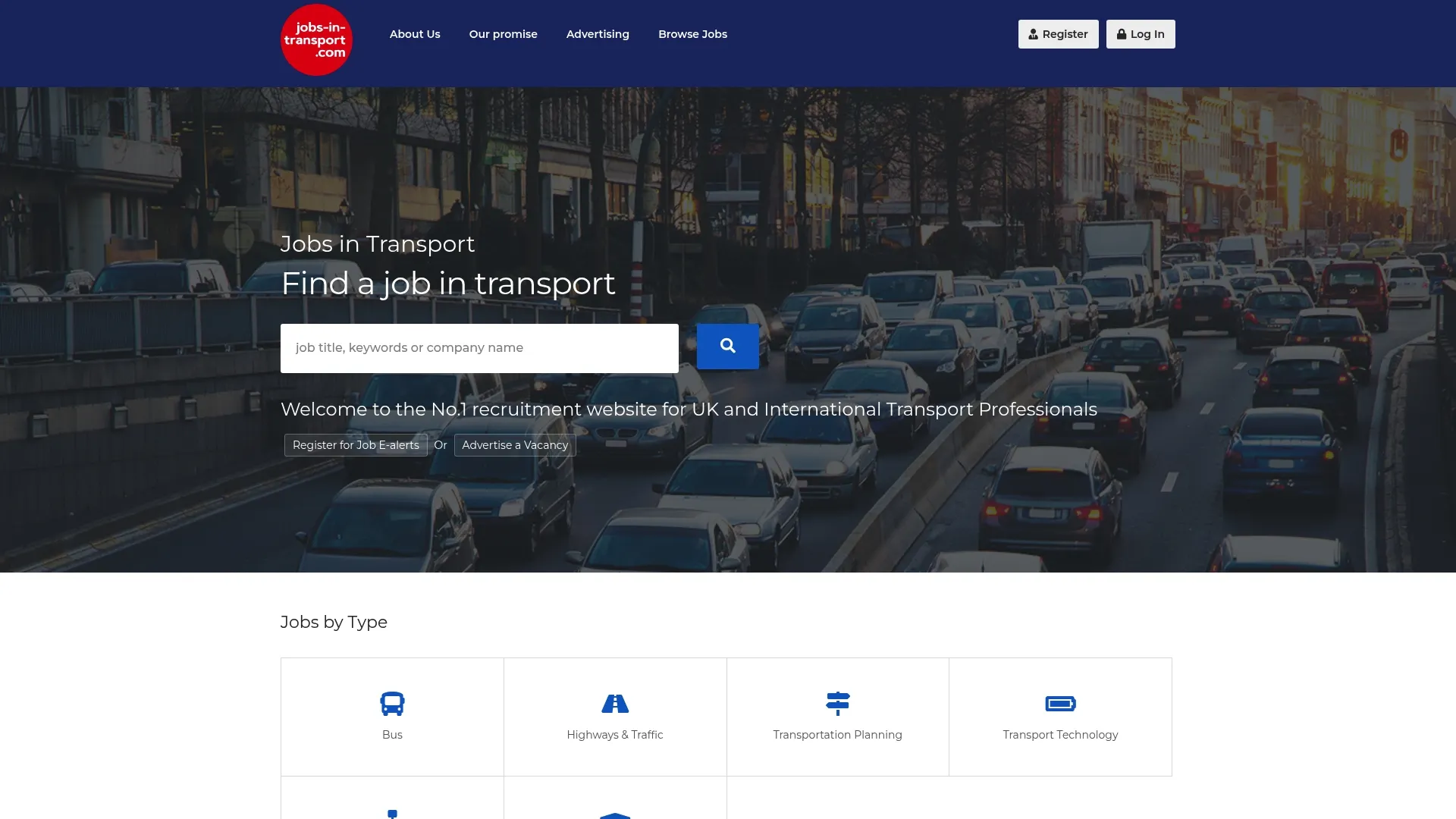
At Jobs-in-Transport.com, we have been connecting transport professionals with meaningful roles since 2005. Whether you are exploring a first role in the sector or looking to step up into a senior position, our platform gives you direct access to employers who are actively hiring. Create your online CV to get noticed by leading transport employers, and explore employer profiles to find organisations whose values match yours. Your next career move starts here.
Frequently asked questions
What jobs are available in the transport sector?
Transport offers roles in driving, planning, technology, logistics, management, and project leadership, catering to a wide range of skills. With 1.8 million annual openings projected in transport and warehousing, there is genuine breadth across the sector.
How can I increase my salary in transport?
Obtaining industry certifications or developing skills in technology and data analytics can raise your salary considerably. Certifications and skills in AI, TMS, and data analytics increase premiums by 18 to 30%.
Is transport a future-proof career?
As e-commerce and new technologies expand, transport roles remain in high demand and continue to evolve. Transport and warehousing employment is rising steadily due to e-commerce growth and technological innovation across the sector.
What are the downsides to working in transport?
Some transport roles face high turnover, long hours, and health risks from sedentary work, but many professionals find the benefits outweigh the drawbacks. High turnover and sedentary health risks are real considerations, particularly in driving-focused roles.
Recommended
- Jobs in Transport, Bus jobs, Highways & Traffic jobs, Transportation Planning jobs, Transport Technology jobs, Project Management jobs, Transport Leaders jobs
- Jobs in Transport, Bus jobs, Highways & Traffic jobs, Transportation Planning jobs, Transport Technology jobs, Project Management jobs, Transport Leaders jobs


