
Choosing a traffic management career is rarely straightforward. The sector spans a wide spectrum, from operatives physically installing equipment on live motorways in the early hours, to senior project managers coordinating multi-agency schemes worth millions of pounds. Each role carries distinct entry requirements, qualification pathways, and day-to-day realities that generic career guides simply gloss over. If you are serious about building a long-term career in this field, understanding the full picture before you commit will save you considerable time and misdirected effort.
Table of Contents
- What makes a role in traffic management?
- Key examples of traffic management jobs
- Comparing traffic management jobs: responsibilities and rewards
- Choosing the right role for your career goals
- What most candidates overlook in traffic management careers
- Discover your next opportunity in UK traffic management
- Frequently asked questions
Key Takeaways
| Point | Details |
|---|---|
| Variety of roles | Traffic management offers hands-on, technical, and management positions to suit different career aspirations. |
| Progression is possible | With the right qualifications, you can advance from entry-level to leadership roles in the field. |
| Qualifications matter | Industry accreditations and training are essential for both entry and advancement. |
| Work conditions vary | Some roles require outdoor, physical work with unsocial hours, while management jobs focus on compliance and stakeholder engagement. |
| Evaluate your fit | Choosing the right job means balancing personal strengths, interests, and long-term career goals. |
What makes a role in traffic management?
To choose the right path, it is essential to know what defines a traffic management job in the UK. This is not one profession with a single entry point. It is a tiered industry where your qualifications, physical resilience, and communication skills each determine where you fit and how far you can progress.
At the foundation, entry-level TMO roles focus on hands-on installation, with LANTRA qualifications as the industry standard. Mid-level positions such as Registered Lead TMO (RLTMO) and Traffic Safety Control Officer (TSCO) bring in oversight and planning responsibilities. Senior roles, including Senior Traffic Engineer and Project Manager, typically require engineering degrees and involve design, regulatory compliance, and stakeholder management. Unsocial hours are a reality for operative roles, while project-level positions place greater emphasis on safety culture, budget control, and programme delivery.
Qualifications vary by level, but the core framework is consistent across the industry:
- LANTRA NHSS units (M1, M2, M5) for operative and lead operative roles
- CSCS card as a minimum site access requirement across all levels
- Full UK driving licence for most field-based positions
- Civil Engineering degree or HNC for technical and engineering-grade roles
- Chapter 8 and Red Book compliance knowledge for anyone involved in traffic management design or oversight
- Risk assessment and method statement competency required from supervisor level upward
Keep an eye on industry news and trends to track shifts in qualification requirements and emerging specialisms, particularly as smart motorway reviews and active travel infrastructure continue to reshape demand.
Pro Tip: If you are entering the sector without formal qualifications, starting as a TMO and pursuing LANTRA units whilst working is a well-trodden route. Many employers fund on-the-job training, which means you can build credentials without upfront course costs.
Key examples of traffic management jobs
Now that you understand the essential criteria, let us explore the leading traffic management positions in the UK and what each one actually entails in practice.
Traffic Management Operative (TMO)
The TMO is where most careers in this sector begin. This role centres on the installation, maintenance, and removal of temporary traffic management equipment on high-speed roads and motorways. You are working outdoors, often at night or during early-morning lane closures, physically placing cones, signs, barriers, and signals in live traffic environments. The salary range runs from £18,000 to £30,000 per year, depending on employer, location, and overtime patterns. You will need LANTRA NHSS M1 and M2 units, a CSCS card, and a full UK driving licence. The physical demands are significant, and the hours are genuinely unsocial, but for many professionals, this is exactly the kind of active, varied role that keeps the working day interesting.
Registered Lead Traffic Management Operative (RLTMO)
The RLTMO is a step up in responsibility without necessarily moving away from site work. This role involves overseeing RTMO staff installing temporary traffic management on rural and urban roads, checking equipment standards, and supporting the overall works programme. Salaries range from £28,000 to £42,000. You are accountable for site safety and team compliance, and progression from this level towards supervisor or TSCO is a natural next move for those who demonstrate leadership capability. This role suits professionals who enjoy being on site but want greater responsibility and influence over how work is delivered.
Traffic Safety Control Officer (TSCO)
The TSCO role sits at an important crossroads between operational delivery and technical planning. As a TSCO, you design and decide on traffic management layouts, plan routes, and handle incident management. Salaries span a broad range from £25,000 to £60,000, reflecting the variation in seniority and sector. You will need First Aid certification and Safety Awareness training as a baseline, with progression routes leading toward Technical Officer or Highways Engineer positions. This is a particularly attractive role for professionals who want to move from purely physical work into analytical and design-led responsibilities without committing to a full engineering degree immediately.

Traffic Management Project Manager
At the senior end of the spectrum, the Traffic Management Project Manager organises resources, manages site teams, ensures safety in road-space, and drives compliance with method statements and risk assessments. Critically, this role involves sustained liaison with local authorities, Highways England (now National Highways), and private clients. You are balancing safety culture, contractor relationships, budget accountability, and programme delivery simultaneously. This role rewards professionals who are equally comfortable reading a risk assessment and sitting across the table from a senior client stakeholder.
The table below summarises the four key roles at a glance:
| Role | Salary range | Core qualifications | Environment |
|---|---|---|---|
| Traffic Management Operative | £18k to £30k | LANTRA M1/M2, CSCS, driving licence | Outdoor, motorways |
| Registered Lead TMO | £28k to £42k | LANTRA M1/M2/M5, leadership skills | Outdoor, rural/urban roads |
| Traffic Safety Control Officer | £25k to £60k | First Aid, Safety Awareness, LANTRA | Mixed office and site |
| Project Manager | £45k to £70k+ | Degree or HNC, risk management, stakeholder skills | Office-led with site visits |
Stay across the latest jobs market updates to understand where demand is growing across each of these levels. For those coming from a graduate background, checking graduate roles insights can also reveal entry points that bypass the operative track entirely.
Pro Tip: Do not underestimate the value of the TSCO salary ceiling. At £60,000, a senior TSCO in a specialist setting can earn comparably to a mid-grade engineer, often without the years of academic study. It is one of the most undervalued progression routes in the sector.
Comparing traffic management jobs: responsibilities and rewards
To make an informed career decision, it is crucial to evaluate how these jobs compare in practice, not just on paper.
The progression ladder in this sector runs clearly from TMO through to RLTMO, then to TSCO or Supervisor, and ultimately to Engineer or Project Manager level. Salaries range from £18,000 to well over £60,000 at the top, with National Highways and major infrastructure contractors offering the highest-end packages and the most complex stakeholder environments.
Here is what each role best suits:
- TMO: Suits professionals who prefer active, physical work and are comfortable with irregular shift patterns. Good starting point for those without prior qualifications.
- RLTMO: Suits those who enjoy leading small teams and taking accountability for site safety outcomes without moving fully into office-based work.
- TSCO: Suits professionals with strong analytical thinking and an interest in design, planning, and incident resolution. A clear bridge between operative and engineering tracks.
- Project Manager: Suits experienced professionals with strong communication skills, commercial awareness, and the ability to manage competing priorities across multiple stakeholders.
When comparing these roles, the factors that rarely appear in job advertisements are often the most significant. Shift patterns in operative roles can mean four nights on followed by extended rest periods, which suits some lifestyles perfectly but is genuinely difficult for others. Project management roles frequently involve early-morning site inspections followed by afternoon client meetings, demanding both technical knowledge and polished interpersonal skills in the same working day.
Browse current traffic management job listings to see how these salary bands and requirements translate into live vacancies across the UK.
Choosing the right role for your career goals
With a side-by-side comparison in mind, the right next step is to match your personal goals and experience to the options available. This process requires honest self-assessment, not just a checklist of qualifications you happen to hold.
Follow this structured approach:
- Assess your physical resilience honestly. Operative roles are demanding. Cold nights, heavy equipment, and high-speed environments require genuine fitness and mental composure under pressure.
- Identify whether you are drawn to hands-on delivery or strategic planning. Some professionals thrive when they can see tangible results at the end of each shift. Others are energised by designing systems and managing outcomes over longer timescales.
- Map your existing qualifications to the entry requirements. If you already hold a CSCS card and a driving licence, TMO is an accessible starting point. If you hold an HNC in civil engineering, you may be able to enter at TSCO or junior engineer level directly.
- Consider the progression route, not just the starting salary. A TMO role with a structured training programme and a clear route to RLTMO is more valuable long-term than a slightly higher starting wage with no development pathway.
- Talk to people already in the role. No job description captures the texture of day-to-day work as accurately as a conversation with someone currently doing it.
“The best career decisions in traffic management are made by people who understand the industry’s rhythms, not just its job titles. Knowing that operative roles involve unsocial hours and that project roles balance safety culture with commercial accountability gives you a genuine edge when applying and when preparing for interview.”
Hidden factors worth serious consideration include: how shift patterns affect family commitments, the physical toll of outdoor work in UK winters, and the level of multi-agency coordination required at senior levels. Professionals who overlook these realities often find themselves well-qualified but poorly matched to the role they have accepted. For a broader understanding of career support available to you, the about Jobs in Transport page outlines resources designed specifically for professionals navigating these decisions.
What most candidates overlook in traffic management careers
Here is something most career guides in this sector will not tell you directly: the single biggest predictor of long-term success in traffic management is not your LANTRA unit count. It is how well you adapt when things go wrong on site, and they will go wrong on site.
Operative roles are physically and mentally more intense than many candidates anticipate. An unexpected lane closure extension at 3am, a piece of equipment failing during a live motorway operation, or a disagreement between site teams and a local authority inspector are all entirely routine occurrences. The professionals who advance quickly are those who stay composed, communicate clearly, and make sensible decisions under genuine pressure.
Career progression in this sector hinges on soft skills far more than the industry acknowledges publicly. Certifications open doors, but they do not keep them open. A TSCO who can write a clear incident report and brief a client calmly after a near-miss will advance faster than a technically superior colleague who cannot communicate under pressure.
Small contractors and regional employers often offer faster advancement than large national organisations. The trade-off is higher pressure and less structural support. If rapid progression matters to you, a smaller employer where you take on broader responsibilities earlier may serve your goals better than a large framework contractor where roles are narrowly defined. Equally, the discipline and scale of a major contractor can be invaluable early in a career if you want exposure to complex, high-profile schemes.
We believe, from years of working with transport recruitment across the UK, that preparing genuinely for the lifestyle factors of your chosen role matters as much as preparing for the interview itself. Our commitment to career development reflects that belief, connecting professionals not just with vacancies, but with the context to make well-informed choices.
Discover your next opportunity in UK traffic management
Once you understand your ideal traffic management path, the next step is to act on it.
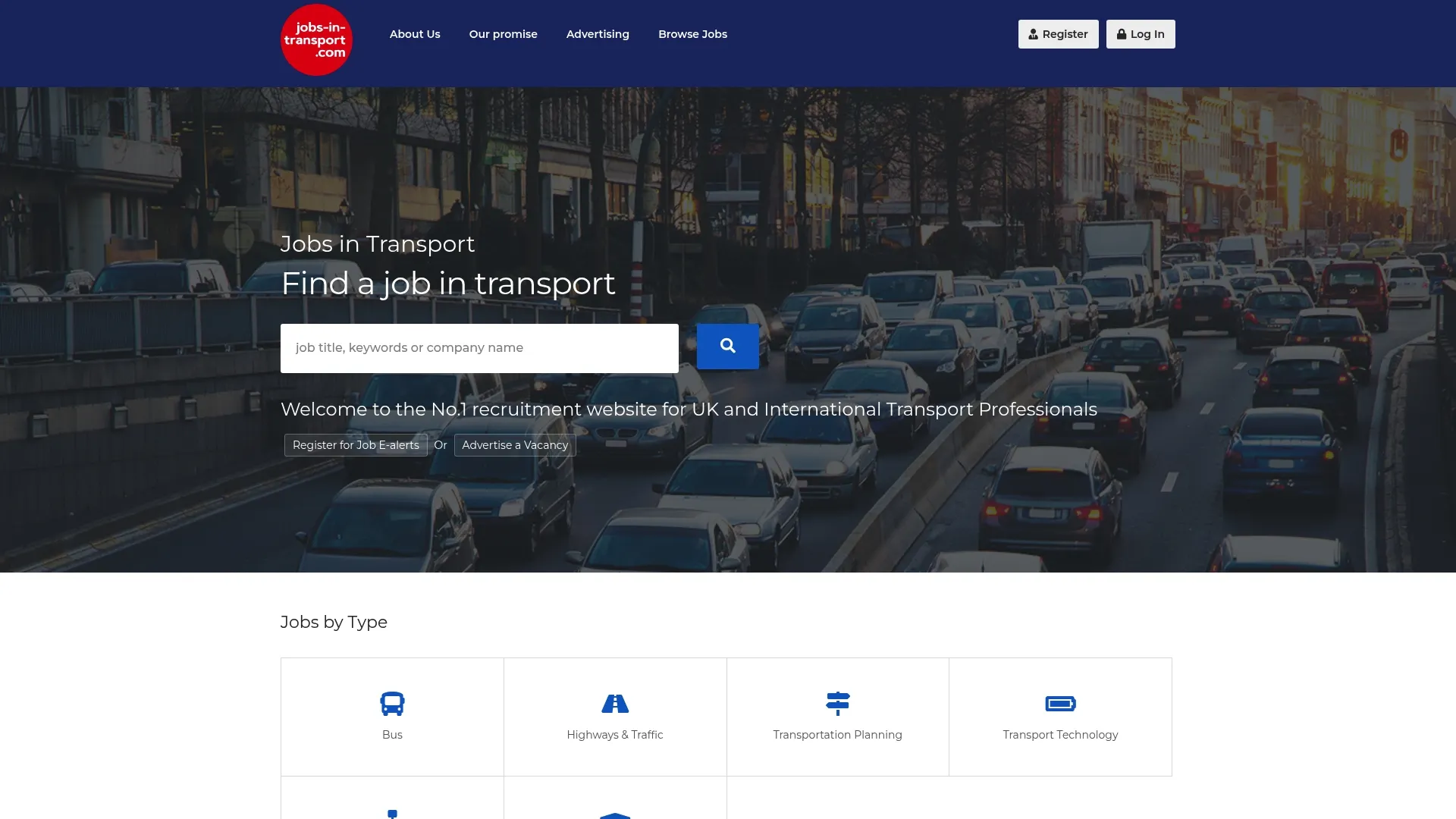
Jobs-in-Transport.com has been connecting transport professionals with UK employers since 2005, offering a focused job board spanning operative, technical, planning, and management-level roles. Whether you are taking your first step into the sector or ready to move from TSCO to project management, you will find relevant traffic management jobs posted by employers who understand what this industry demands. The platform supports your search with CV hosting, job alerts, and employer profiles, so you can compare opportunities with the detail you need. Find out more on the about Jobs in Transport page and take the next step in your career with confidence.
Frequently asked questions
What qualifications do I need for traffic management jobs in the UK?
Most roles require LANTRA NHSS units for operatives alongside a CSCS card and a driving licence, while engineering and management positions typically expect higher education qualifications and demonstrable risk assessment competence. The specific units required depend on the level of role you are targeting.
How much can I earn as a traffic management operative?
TMO salaries range from £18,000 to £30,000 per year, with earnings increasing significantly as you move into registered lead, supervisory, and specialist roles. Overtime and unsocial hours allowances can meaningfully increase take-home pay in operative positions.
What is a typical career progression in traffic management?
The standard pathway runs from TMO through to RLTMO, then to TSCO or supervisor, with further progression available into engineer and project manager roles for those who develop the required technical and leadership competencies.
Are unsocial hours common in traffic management?
Yes, operative roles frequently involve night shifts and weekend working, particularly on motorway and major highway schemes where daytime closures are not permitted. Project management roles typically follow more conventional working patterns, though early-morning site visits remain common.
Recommended
- Jobs in Transport, Bus jobs, Highways & Traffic jobs, Transportation Planning jobs, Transport Technology jobs, Project Management jobs, Transport Leaders jobs
- Jobs in Transport, Bus jobs, Highways & Traffic jobs, Transportation Planning jobs, Transport Technology jobs, Project Management jobs, Transport Leaders jobs


