
Choosing the right transport infrastructure role is one of the most consequential decisions a transport professional can make. The UK sector is expanding rapidly, with sustained investment in highways, rail, and smart mobility creating genuine competition for skilled candidates. Project managers, planners, and technology specialists are all in demand, yet each path carries distinct responsibilities, salary bands, and growth ceilings. This guide breaks down the leading roles, the criteria that matter most, and how to compare your options so you can move forward with confidence rather than guesswork.
Table of Contents
- Defining criteria for top transport infrastructure jobs
- Project management and leadership roles
- Planning and transport technology positions
- Quantity surveyor and commercial roles
- Comparing top roles: Which job matches your next move?
- What most career guides miss about transport infrastructure jobs
- Find your next transport infrastructure role
- Frequently asked questions
Key Takeaways
| Point | Details |
|---|---|
| Role criteria matters | Evaluate jobs based on impact, salary, career progression, and employer demand. |
| Project management leads | Senior project management positions drive UK transport infrastructure and offer strong advancement. |
| Tech and planning rising | Planning and technology roles are increasingly essential and offer future-proof career paths. |
| Comparisons aid decisions | Side-by-side comparison helps align job choice with personal and professional priorities. |
Defining criteria for top transport infrastructure jobs
Before weighing up individual roles, you need a reliable framework for evaluation. Not every well-paid job is the right job, and not every prestigious title translates into real career momentum. The criteria below give you a structured way to assess any opportunity.
Key evaluation criteria to apply to every role:
- Impact: Does the role influence major infrastructure outcomes, or is it largely administrative?
- Salary and progression: Are pay bands competitive, and is there a visible route to senior grades?
- In-demand skills: Does the role build expertise that transfers across employers and sectors?
- Technology and sustainability exposure: Roles integrating digital tools and net-zero objectives carry greater long-term value.
- Stakeholder engagement: Client-facing roles tend to accelerate professional visibility and progression.
Most leading employers now expect candidates to demonstrate project management expertise, technical proficiency in relevant software, and the ability to manage complex stakeholder relationships. WSP actively recruits across multiple senior infrastructure roles, and their advertised criteria reflect exactly this combination of leadership, technical knowledge, and commercial awareness.
Digital transport and sustainability are no longer niche additions. They are central requirements. Employers increasingly distinguish candidates who understand data-driven decision-making and low-carbon design from those who do not. Staying current with these trends is non-negotiable if you are targeting senior roles.
Pro Tip: Prioritise roles that offer a clear advancement track, such as a route from Project Manager to Senior PM or from Planner to Technology Lead. Check whether the employer invests in continuing professional development before accepting any offer. Browse the latest transport vacancies to compare what leading employers are currently seeking.
Project management and leadership roles
Project management sits at the backbone of every major UK transport initiative, from motorway upgrades to urban transit systems. These roles carry the most visible accountability and, accordingly, some of the most competitive remuneration packages.
Core responsibilities in project management roles include:
- Overseeing multi-million pound public and private transport projects from inception to handover
- Leading multidisciplinary teams across engineering, commercial, and planning functions
- Managing budgets, programme schedules, and contractual obligations
- Ensuring compliance with regulatory standards and client requirements
- Reporting to senior leadership and external stakeholders
The skills that distinguish strong candidates are leadership under pressure, precise budget control, clear written and verbal communication, and a working knowledge of NEC or JCT contracts. Chartered status through the APM or ICE, combined with PRINCE2 or equivalent certification, significantly increases employability at senior grades.
WSP is currently recruiting for Project Manager, Associate PM, and Senior Project Manager positions across UK transport and infrastructure, reflecting sustained employer demand at all experience levels.
Job titles you will encounter include Project Manager, Associate Project Manager, Senior Project Manager, and Programme Director. The jump from Associate to Senior PM is often where professionals stall, typically because they lack formal accreditation or cross-sector experience. Addressing both early accelerates progression.
Pro Tip: If you are working towards chartered status, document every project milestone and budget decision in a structured evidence log. Many APM assessors want to see reflective evidence, not just a CV listing.
Explore current Project Management jobs or review open managerial vacancies to see what qualifications and experience top employers are advertising for right now.
Planning and transport technology positions
Planning and technology roles represent the fastest-growing segment of UK transport infrastructure employment. As networks become smarter and sustainability targets tighten, these specialists are moving from support functions to central decision-making positions.
The most sought-after roles in this space include:
- Transport Planner: Modelling traffic networks, conducting impact assessments, and advising on scheme design.
- Data Analyst: Processing large transport datasets to inform investment and operational decisions.
- Transport Technology Manager: Leading the implementation of intelligent transport systems, connected vehicle infrastructure, and passenger information platforms.
The day-to-day work spans traffic modelling software such as VISSIM and SATURN, geographic information systems, sustainability reporting, and increasingly, artificial intelligence tools for demand forecasting. Future prospects include digital twins, AI-powered network optimisation, and smart mobility platforms, all of which are attracting significant government and private investment in 2026.

WSP advertises key openings across planning and technology, signalling that top-tier employers are actively growing their tech-focused teams rather than outsourcing these capabilities.
Statistic to note: The UK government’s National Infrastructure and Construction Pipeline projects tens of billions in transport spending through the late 2020s, directly sustaining demand for planning and technology specialists.
Pro Tip: Coding skills in Python and proficiency with GIS software are increasingly mentioned in planning job specifications. Even a foundational understanding of scripting puts you ahead of candidates who rely solely on proprietary transport modelling tools. Discover planning careers in transport and assess where your current skills align.
Quantity surveyor and commercial roles
No infrastructure project survives poor commercial management. Quantity surveyors and commercial managers are the professionals who ensure that ambitious projects remain financially viable from tender through to final account.
Typical daily responsibilities include:
- Managing tender submissions and procurement processes
- Value engineering to identify cost savings without compromising quality
- Contract administration under NEC, JCT, or bespoke frameworks
- Invoice validation and payment applications
- Risk assessment and mitigation planning
WSP actively recruits Quantity Surveyors for infrastructure projects, underscoring the strong commercial career demand across the sector.
Here is a straightforward comparison of the two primary commercial roles:
| Role | Average UK salary | Core qualification | Typical experience required |
|---|---|---|---|
| Quantity Surveyor | £40,000 to £60,000 | RICS accreditation | 3 to 7 years |
| Commercial Manager | £65,000 to £90,000 | RICS or equivalent | 8 or more years |
Progression from Quantity Surveyor to Commercial Manager is well-defined but requires building a track record across multiple contract types. Candidates who move between public sector frameworks and private sector contracts tend to develop the broadest commercial skill sets, which is what senior employers look for.
Learn more about career routes by visiting about transport careers and exploring how commercial roles fit within the wider infrastructure landscape.
Comparing top roles: Which job matches your next move?
With individual roles examined, the next step is placing them side by side. Leading firms such as WSP advertise simultaneously for project management, planning, and commercial positions, which means the choice between these paths is a real and immediate one for many professionals.
| Role | Key responsibilities | Median salary | Qualifications | Career path |
|---|---|---|---|---|
| Senior Project Manager | Delivery, teams, budget | £70,000 to £90,000 | APM, PRINCE2, degree | Programme Director |
| Transport Planner | Modelling, assessments | £35,000 to £55,000 | TPS, MSc Transport | Technology Lead, Director |
| Transport Technology Manager | Systems, smart tech | £50,000 to £75,000 | Engineering degree, GIS | Head of Technology |
| Quantity Surveyor | Cost control, contracts | £40,000 to £60,000 | RICS | Commercial Manager |
| Commercial Manager | Commercial strategy | £65,000 to £90,000 | RICS, degree | Director level |
Factors to weigh when making your decision:
- Location: Some roles are concentrated in London, others offer genuine regional opportunities
- Employer type: Consultancy versus contractor versus public sector each offer different cultures and progression rates
- Role scope: Broad generalist roles build networks; specialist roles build deep expertise
- Work-life balance: Large project delivery roles can demand extensive travel and long hours during peak phases
- Accreditation requirements: Some paths require investment in professional qualifications before advancement is possible
The most effective approach is to match your long-term goals with the characteristics of each role rather than defaulting to whichever title sounds most senior. Explore current infrastructure job listings to see which roles are genuinely available in your target location and sector.
What most career guides miss about transport infrastructure jobs
Most advice on transport infrastructure careers fixates on hierarchies and salary brackets. That is useful as far as it goes, but it misses something more fundamental: the careers that generate real fulfilment and lasting influence are rarely the ones that followed the most obvious vertical path.
The professionals we see thriving in this sector, as tracked through our mission for professionals at Jobs-in-Transport.com, are often those who made a deliberate lateral move at a critical juncture. A planner who spent two years in a technology implementation role came back to senior planning with a capability set no conventional route would have built. A project manager who took a commercial secondment returned with a contract literacy that set them apart from peers.
Conventional wisdom pushes everyone towards Senior Project Manager as the gold standard. But technology leadership and planning directorship carry equal strategic weight in 2026’s infrastructure landscape. Personal fit, intellectual curiosity, and the ability to work across disciplines matter far more than chasing the most prestigious job title. The best career move is the one that stretches you into territory where your existing skills meet unfamiliar challenges.
Find your next transport infrastructure role
You now have a clear picture of the roles, the criteria, and what distinguishes one career path from another. The next step is straightforward: put that knowledge to work by looking at what is actually available.
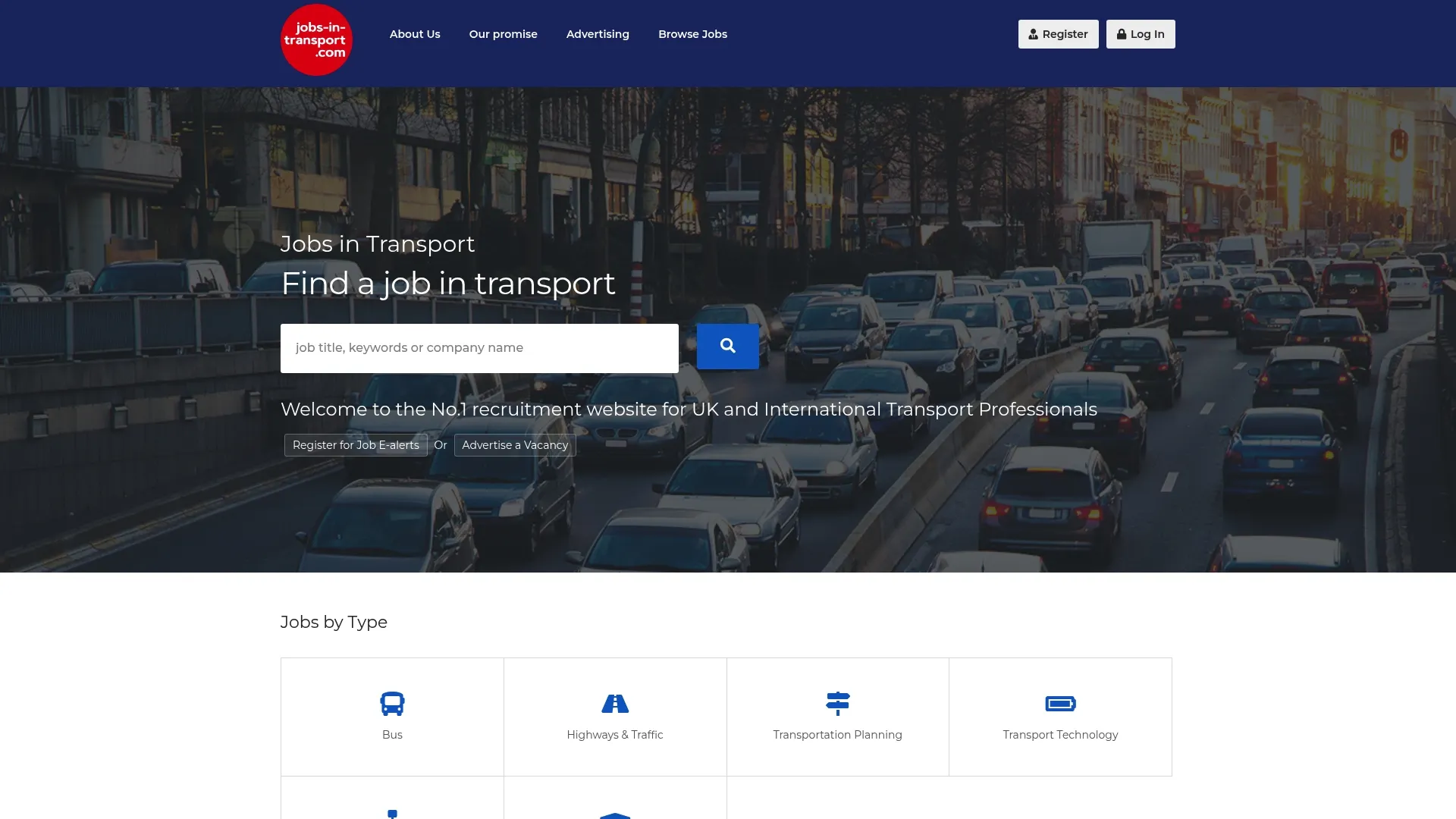
Jobs-in-Transport.com has been connecting transport professionals with quality opportunities since 2005. Whether you are targeting a senior project management position, a technology-led planning role, or a commercial career, our platform lists vacancies updated regularly across every specialism covered in this guide. Browse transport roles to see current openings matched to your experience level and sector. You can also learn about our services including CV hosting, job alerts, and employer profiles designed specifically for transport infrastructure professionals.
Frequently asked questions
What qualifications do I need for a transport project manager role?
Most employers require a degree in engineering or a transport-related discipline, alongside project management certification such as PRINCE2 or APM. WSP’s senior PM vacancies consistently list these as baseline requirements.
Are technology roles growing in UK transport infrastructure?
Yes, demand for technology-focused positions such as Transport Technology Manager and Data Analyst is increasing rapidly as networks adopt smart systems and AI tools. WSP’s planning and technology listings reflect this expanding employer appetite.
Which role offers the highest salary in transport infrastructure?
Senior Project Managers and Commercial Managers typically command the highest salaries, particularly within large consultancies and major contractors. WSP’s senior PM and commercial vacancies indicate competitive pay benchmarks across both disciplines.
How can I move from planning to project management?
Seek out project delivery assignments within your current organisation and pursue accredited project management training, such as APM or PRINCE2, while still working as a planner. Building a cross-functional evidence base accelerates the transition significantly.
Recommended
- Jobs in Transport, Bus jobs, Highways & Traffic jobs, Transportation Planning jobs, Transport Technology jobs, Project Management jobs, Transport Leaders jobs
- Jobs in Transport, Bus jobs, Highways & Traffic jobs, Transportation Planning jobs, Transport Technology jobs, Project Management jobs, Transport Leaders jobs


